[By Bhanu Dhamija]
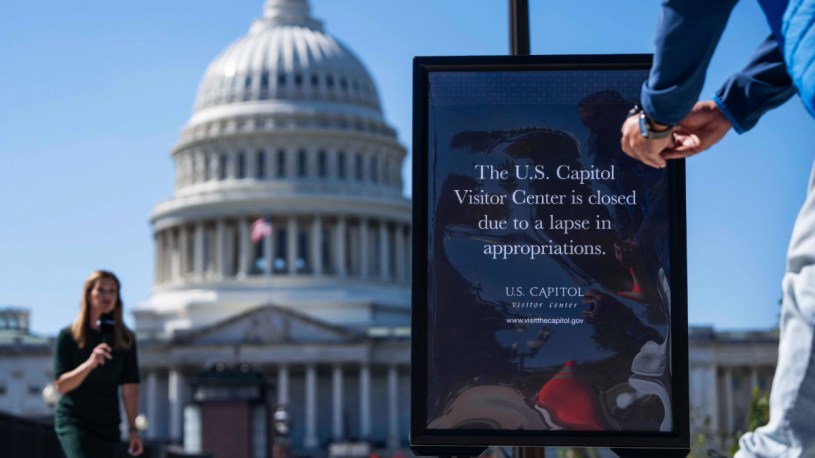
Government shutdowns, often portrayed as political crises, are actually the product of a deliberate constitutional design. The Founders divided taxing and spending powers to prevent either branch from spending without restraint. A President may disburse funds only after Congress authorizes them. When the two branches are controlled by different parties, conflicts are inevitable—and sometimes necessary. Compared to the alternatives, however, government shutdowns are the lesser evil.
The Perils of Parliamentarianism
Parliamentary governments don’t face shutdowns, because the ruling party usually commands a majority and can both raise taxes and pass its own budget. If its “money bill” fails, the government usually collapses and new elections follow. This may sound efficient, but in practice it creates long periods of paralysis.
France offers a vivid example. Since 2019, the country has cycled through seven prime ministers, one snap election, and years of turmoil over pension reform. Riots forced one government to retreat; another rammed through changes on shaky constitutional grounds, only for President Macron to dissolve parliament. The new coalition that emerged in 2024 was even more divided, and the issue remains unresolved.
Belgium went 541 days without a government after its 2010 elections, in part due to disputes over spending priorities. Such breakdowns make America’s occasional shutdowns look brief and purposeful by comparison.
The Trouble with Stopgaps
Another alternative to shutdowns is to simply extend last year’s spending until new budgets are passed. Germany and South Korea do this, and so does the U.S. through Continuing Resolutions.
But these stopgaps reduce accountability and worsen fiscal discipline. They prevent long-term planning, discourage innovation, and allow inefficiencies to persist. Most of all, they let lawmakers avoid making the difficult choices they were elected to make.
Over the past 50 years, only four times has Congress passed all its annual appropriations on time: in1977, 1989, 1995, and 1997. Since the 1980s, when federal agencies were directed to halt operations without new funding, there have been 15 shutdowns, lasting from one day to more than a month. Nearly every President under divided government has faced one: Ronald Reagan (8), George H.W. Bush (1), Bill Clinton (2), Barack Obama (1), and Donald Trump (3).
When Shutdowns Worked
Despite their bad reputation, shutdowns have often forced the compromises that good governance requires. Consider the results from the four major shutdowns of two weeks or more.
The 1995 budget standoff between President Clinton and Speaker Newt Gingrich lasted 21 days but produced lasting results. It forced a compromise on cutting welfare spending, and Clinton then announced, “The era of big government is over.” That agreement paved the way for four balanced budgets and the longest economic expansion in modern history. Credit was, of course, claimed by both parties.
Two major shutdowns—2013 and the current one—revolve around President Obama’s Affordable Care Act, passed in 2010 without bipartisan support. The first ended when Republicans relented, but the ongoing one shows they are again trying to influence the program’s budget. No matter one’s view of the ACA, it’s healthier if both parties work to shape such a vast welfare system.
President Trump’s 35-day shutdown in 2018–19, over funding for his proposed border wall, denied one of his main campaign promises. But it crystallized a central political issue and energized millions of voters for the next Presidential election.
A Necessary Evil
Shutdowns have real costs and certainly cause inconveniences. Federal workers face furloughs, government services are disrupted, and consumer and investor confidence is shaken. But the damage is limited and largely reversible. Once funding resumes, operations restart and back pay is issued.
Data shows that the overall economic impact of shutdowns is minimal. The 35-day shutdown in 2018-19, for example, was estimated to cut annual GDP by just 0.02%, according to the Office of Management and Budget.
However, the political effects are enduring. Shutdowns highlight fiscal disagreements that Continuing Resolutions conceal. They compel negotiation and reaffirm that spending authority belongs to both elected branches—not to one party or the chief executive alone.
Democracy at Work
The best outcome, of course, is for Congress to pass budgets on time. But when it can’t, a temporary shutdown is far preferable to runaway spending, executive overreach, or giving all powers to one party. It compels compromise and reenforces one of the Constitution’s core principles: governance through checks, balances, and consensus.
Shutdowns are not a sign of dysfunction. They are a reminder that, in America, even the government must occasionally stop and justify how it spends the people’s money.
 Presidential System